
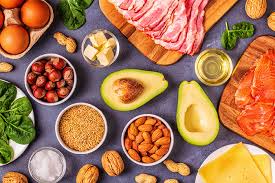
Fats are not the enemy of your diet. Fats are also known as lipids and are a fundamental macro nutrient to have in your nutrition. Lipids (fats) are incorporated into your body as primarily triglycerides. A triglyceride consists of 2 main components: a glycerol back bone and 3 fatty acids. As a macronutrient a fat / lipid is the most energy dense and one of it’s main functions is to supply the body with energy. However there is evidence to suggest that the type of fat you consume depends on the health benefits you will receive from it. Saturated fats are seen to negatively impact your cardiovascular health. Whereas unsaturated fats have health benefits to the body.
Why are they important for performance?
When training close to your VO2 max the main source of energy will be carbohydrates in the form of glucose. However when working at 75% of your VO2 max, fats contribute to approximately 25% of the total energy. Then as your intensity drops the use of fats as energy increases. Not only when intensity drops is fat predominantly used as a fuel source but also when you exercise for a prolonged period of time. When you are training for endurance lipids are oxidised to give the body the energy it needs to perform. By allowing the body to use lipids as a form of energy when training at either low intensity or for a prolonged period of time you are able to spare muscle glycogen stores. This allows there to be a delay in fatigue of the muscles, improving performance. (Vogt, et al. 2003)
How much should I eat?
The amount of fat you should consume in a day is the same for both trained and untrained individuals. You want to consume between 20%-35% of your total daily calories from healthy (unsaturated) fats. This comes from foods like nuts, oily fish and avocados. It is recommended that you don’t eat less that 15%-20% because fat is essential for not only fuel but for cell membrane structure, absorption of fat-soluble vitamins, hormone regulation and brain health. However trans fats are said to be avoided and saturated fats should make up less than 10% of your total calorie consumption. (Bytomski, 2018)


